


Energy Storage Engineering
Energy Storage Engineering
NEUEET energy storage technology can be divided into industrial field energy storage and construction field energy storage in terms of application fields. The energy storage technology applied in the industrial field is molten salt energy storage, and the energy storage technology applied in the construction field is ice energy storage and water storage.
Molten Salt Energy Storage
Molten salt energy storage technology uses high-temperature molten salt as a heat storage medium to store and release energy through the process of heat absorption, cooling and heat release. This technology has the advantages of high energy storage density, good long-term stability and environmental friendliness, and is widely used in energy storage and utilization in solar thermal power generation systems and petrochemical fields.
The technical advantages of NEUEET in the application of molten salt energy storage are mainly reflected in the system safety control, system optimization operation and comprehensive regulation and control of system energy.:
Ice Energy Storage, Water Energy Storage
The energy storage technologies in the field of NEUEET buildings are ice cold storage, water cold storage and water thermal storage. Ice (water) energy storage projects are generally used as part of the building cooling and heating system, and often form the cold and heat source system of the building together with refrigeration units, heat pump units and electric boilers.
Advantages of energy storage:
1) Help the power grid to achieve peak shifting and valley filling, and improve the load factor of the power grid; (2) Can reduce the installed capacity of the main engine of cold and heat sources, as well as the cost of increasing the capacity of the system, and improve the utilization rate of energy station equipment and substation and distribution facilities; (3) Use the power price difference between peak and valley load of the power grid to reduce system operating costs; (4) When the ice storage system is adopted, the temperature of the chilled water can be reduced to 4°C, which realizes the large temperature difference of the chilled water, and saves the investment of the system and the energy consumption of transportation;
Application Scenarios
Shopping malls, hotels, restaurants, office buildings and other places where the peaks of cooling load and electricity consumption are basically the same and last for a long time.
A large amount of cooling energy is used, and most of the air conditioning load is concentrated in the manufacturing industry during the day.
The capacity of the existing air conditioning system can no longer meet the demand of the load, and the cooling capacity needs to be expanded. At this time, it is advantageous to convert it into an ice storage system without adding the main engine.
Cases
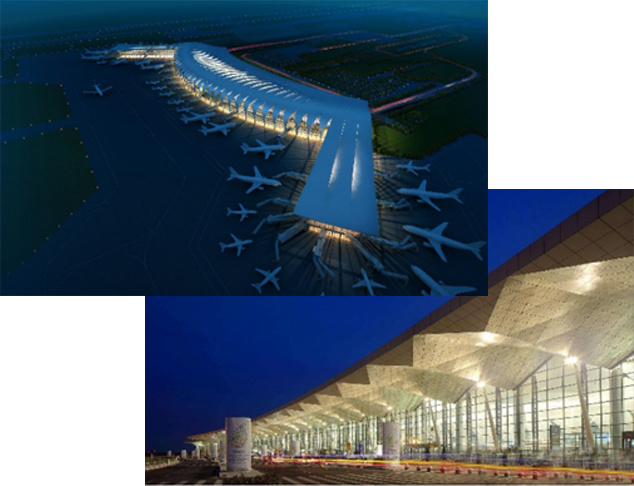
Shenyang Taoxian Airport T3 terminal
Overview: The total construction area of the T3 terminal expansion project of Taoxian Airport is 248,000 m²; the construction area of the refrigeration station is 2,723 m²; and the design cooling load is 26MW.
Technical form: base load chiller + double working condition chiller + ice storage system
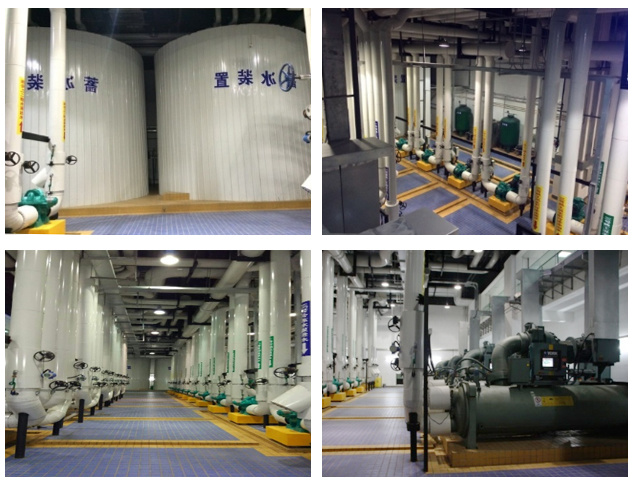
Liaoning Science and Technology Museum
Overview: The construction area is 100,746m², and the building height is about 32.1m;
Technical form: base load host + ice cold storage
Awards: This project won the China Construction Engineering Luban Prize
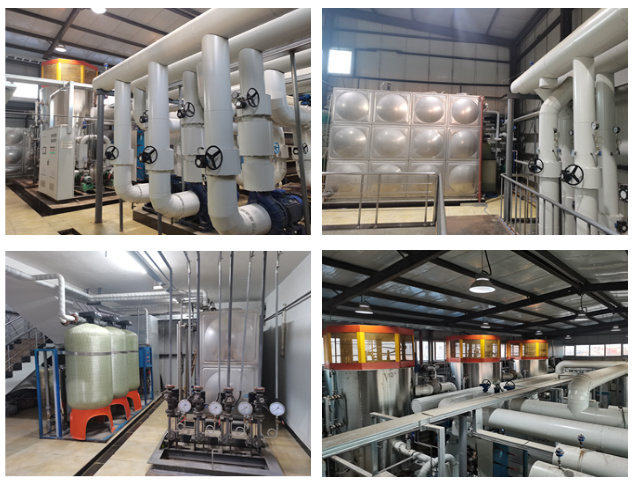
Shenyang Bajiazi Fruit Wholesale Market
Overview: The construction area of the park is 130,000 m², and the heating area is 220,000 m²
Technical form: electrode boiler + water heat storage
Payback period: 3.5 years
Learn more about NEUEET
Feel NEUEET's assistance in the transformation of industrial science and technology to guide the green development of energy industry
NEUEET (Shenyang) Energy Engineering Technology Co., Ltd Digital Enabling & Industrial Interconnection
Contact Information
Headquarters address: No. 16, West Gate, Zhongke Town, No. 25, Innovation 2nd Road, Hunnan District, Shenyang City, Liaoning Province